
Skeells Logo

Skeells

How B2B SaaS AI Is Transforming SME Operations in 2026

ArticlesMarch 25, 2026

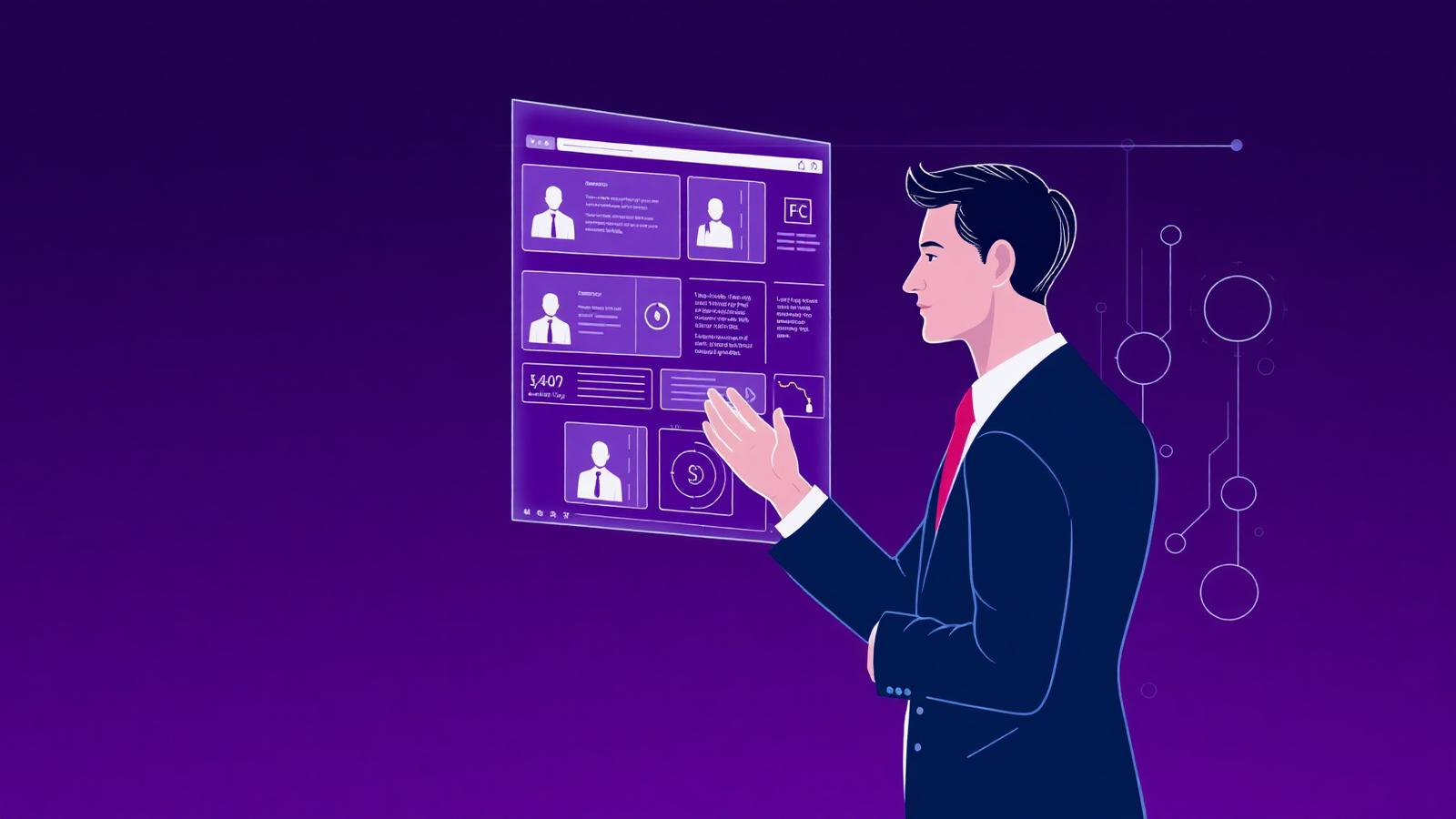
By 2026, artificial intelligence is no longer a privilege reserved for large corporations. AI solutions integrated into B2B SaaS platforms have reached a level of maturity and accessibility that now enables small and medium-sized businesses to fundamentally transform their sales operations, whether they operate in manufacturing, retail, professional services, or the healthcare sector. The convergence of generative AI, process automation, and intelligent CRM is shaping a new paradigm: that of an augmented enterprise, where every sales representative has a personalized AI co-pilot capable of analyzing data in real time, simulating customer scenarios, and optimizing every stage of the sales cycle. This article explores the concrete transformations that B2B SaaS AI will bring to SMEs in 2026, with a focus on sales operations, sales team performance, and the measurable impact on the pipeline and revenue.

1. B2B SaaS AI in 2026: A Strategic Lever for SMEs

From Business Software to Sales Co-Pilot For a long time, SaaS tools simply digitized existing processes. A CRM stored contacts, an ERP managed workflows, and an invoicing tool automated follow-ups. AI is fundamentally changing the nature of this software: it no longer merely records data; it analyzes, anticipates, and makes recommendations. For an SME leader, this means their sales teams no longer go into interactions blindly. The system knows a prospect’s history, their industry, and their typical objections, and it can guide the sales rep with context-specific recommendations before, during, and after each interaction. A Rapidly Growing Market According to industry estimates, over 65% of European SMEs that adopt an AI SaaS tool between 2024 and 2025 report a measurable improvement in their sales productivity within the first six months. In France, the manufacturing, B2B retail, and business services sectors lead in adoption. This adoption rate can be attributed to three key factors: Cost democratization: AI SaaS solutions are now accessible via monthly subscriptions without requiring hardware investment. Native integration with existing tools: modern platforms easily interconnect with existing CRMs, ERPs, and communication tools. Rapid deployment: where a traditional digital transformation took 12 to 18 months, some AI solutions can be deployed in just a few weeks.

2. Sales & CRM: the top priority for SME transformation

The central challenge: sales performance at scale For most SMEs, the sales department is the primary source of value—and often the biggest bottleneck. Training new salespeople takes time, maintaining a team’s performance level is costly, and managers lack visibility into what’s actually happening in customer interactions. B2B SaaS AI specifically addresses these challenges by equipping sales teams with three new capabilities: continuous training, data-driven coaching, and detailed analysis of customer interactions. AI-Enhanced Sales Enablement: The Skeells Case Among the most advanced solutions in this segment, Skeells has established itself as a leader in AI-enhanced Sales Enablement for B2B teams. Whereas a traditional LMS delivers static training content, Skeells actually trains sales reps in real-world scenarios through interactive simulations, simulated dialogues with an AI acting as the customer, and personalized feedback after each session. What sets this approach apart from simple e-learning is its direct connection to the company’s CRM. Skeells instantly identifies skill gaps for each sales rep by cross-referencing field data (lost opportunities, overly long sales cycles, low conversion rates) with shortcomings observed during training. Managers receive a clear analysis of coaching priorities, and each sales representative benefits from a tailored development path. Tangible results in the sales pipeline Industrial and professional services SMEs that have adopted this approach report significant results: Reduced time to competency for new sales representatives (from 3–4 months to 6–8 weeks on average). Improved conversion rates on initial meetings, thanks to better listening and qualification practices. Increase in the average deal value through better handling of objections and more structured sales pitches. Reduced sales turnover, as teams feel better supported and more competent.

3. B2B SaaS AI by sector: differentiated use cases

Industry & Manufacturing: Selling Complexity with Precision Sales reps in the industrial sector face long sales cycles, demanding technical contacts, and dense product pitches. AI allows them to practice handling specific objections (ROI, technical integration, migration from an existing vendor) and tailor their pitches to the buyer’s profile—whether it’s a CTO, CIO, or CEO. The AI-CRM integration also provides a predictive view of the pipeline: which opportunities are likely to close within the next 30 days? Which accounts are showing signs of disengagement? Sales reps can prioritize their efforts based on data, not just instinct. B2B Commerce & Retail: Accelerating Cycles and Building Account Loyalty In B2B retail, pressure on margins and the proliferation of SKUs complicate sales interactions. AI helps teams structure their value propositions, tailor offers by customer segment, and automate post-meeting follow-ups through automated summaries and smart reminders. AI-powered sales enablement platforms also allow for the deployment of standardized sales playbooks, ensuring that every sales representative on the team adopts the best practices identified by management—without spending hours in alignment meetings. Professional Services: Leveraging Expertise Through Interaction For consulting firms, agencies, digital services firms, or recruitment agencies, sales rely on credibility and human connection. AI does not replace this human factor—it enhances it. It helps sales consultants listen more effectively, rephrase more clearly, and better anticipate a prospect’s unspoken needs. AI simulation tools enable the preparation of strategic meetings with key account clients by practicing scenarios close to reality (restructuring, contract renewal, upsell) before actually facing them. Healthcare & Medtech: Regulatory Compliance and Sales Performance Sales representatives in the healthcare sector must balance strict regulatory requirements with ambitious growth targets. AI can help them incorporate compliance constraints into their sales pitches, tailor their messaging to the type of facility (private clinic, public hospital, nursing home), and maintain message consistency across geographically dispersed teams.

4. How to successfully adopt a B2B SaaS AI solution?

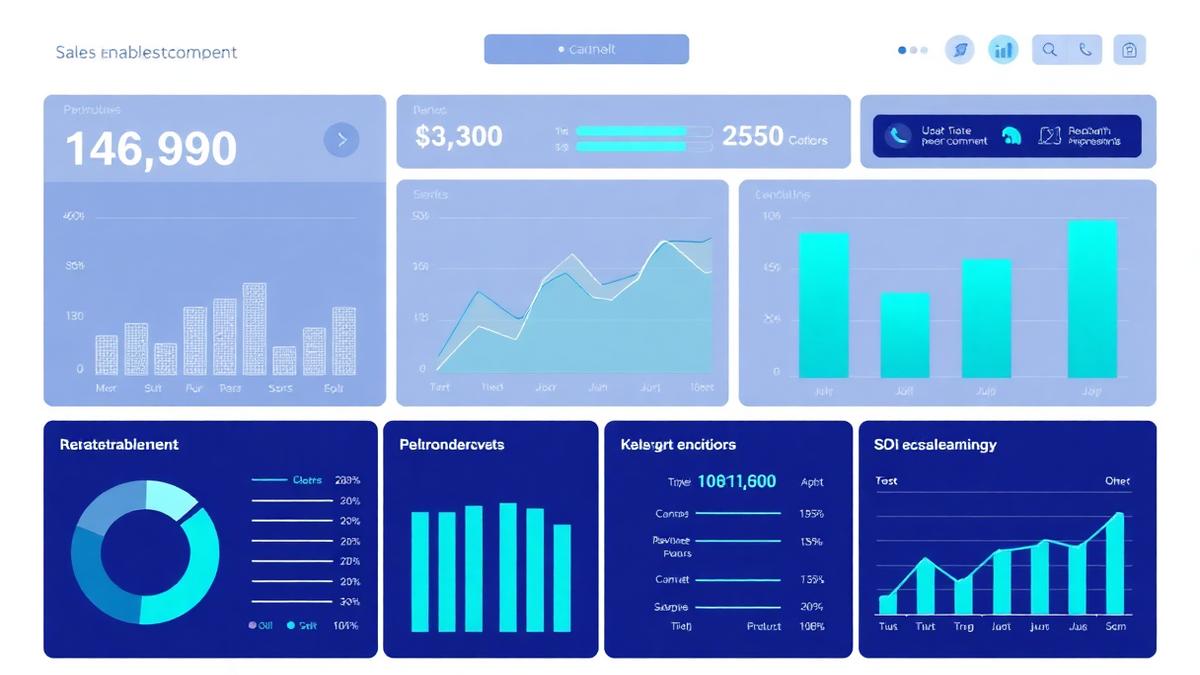
Start with real-world needs, not technology The most common mistake is selecting a tool based on its features rather than on the concrete problems it solves. Before evaluating a solution, it’s important to ask the right questions: Where are we losing the most sales opportunities? What skills is our team lacking? How do our managers spend their coaching time? Prioritize CRM integration from the start An AI solution disconnected from the company’s real-world data loses much of its value. The best platforms, like Skeells, natively integrate CRM data to contextualize training and measure the impact of training initiatives directly on the sales pipeline. This feedback loop between field performance and skill development is the true differentiator. Involve sales managers from the outset The successful adoption of a sales AI tool depends as much on technology as it does on change management. Field managers are the first ambassadors: if the system makes coaching easier for them and provides clear visibility into their team’s progress, they naturally become the tool’s strongest advocates. Measuring ROI from the First Quarter One of the advantages of SaaS AI solutions is measurability. From the very first weeks, it is possible to track concrete metrics: platform usage rates, improvements in simulation scores, changes in conversion rates, and reductions in the average sales cycle. This data allows you to adjust the rollout and demonstrate value to senior management.

5. Sales AI in 2026: A Competitive Necessity

Industry & Manufacturing: Selling Complexity with Precision Sales reps in the industrial sector face long sales cycles, demanding technical contacts, and dense product pitches. AI allows them to practice handling specific objections (ROI, technical integration, migration from an existing vendor) and tailor their pitches to the buyer’s profile—whether it’s a CTO, CIO, or CEO. The AI-CRM integration also provides a predictive view of the pipeline: which opportunities are likely to close within the next 30 days? Which accounts are showing signs of disengagement? Sales reps can prioritize their efforts based on data, not just instinct. B2B Commerce & Retail: Accelerating Cycles and Building Account Loyalty In B2B retail, pressure on margins and the proliferation of SKUs complicate sales interactions. AI helps teams structure their value propositions, tailor offers by customer segment, and automate post-meeting follow-ups through automated summaries and smart reminders. AI-powered sales enablement platforms also allow for the deployment of standardized sales playbooks, ensuring that every sales representative on the team adopts the best practices identified by management—without spending hours in alignment meetings. Professional Services: Leveraging Expertise Through Interaction For consulting firms, agencies, digital services firms, or recruitment agencies, sales rely on credibility and human connection. AI does not replace this human factor—it enhances it. It helps sales consultants listen more effectively, rephrase more clearly, and better anticipate a prospect’s unspoken needs. AI simulation tools enable the preparation of strategic meetings with key account clients by practicing scenarios close to reality (restructuring, contract renewal, upsell) before actually facing them. Healthcare & Medtech: Regulatory Compliance and Sales Performance Sales representatives in the healthcare sector must balance strict regulatory requirements with ambitious growth targets. AI can help them incorporate compliance constraints into their sales pitches, tailor their messaging to the type of facility (private clinic, public hospital, nursing home), and maintain message consistency across geographically dispersed teams.

4. How to successfully adopt a B2B SaaS AI solution?

Start with real-world needs, not technology The most common mistake is selecting a tool based on its features rather than on the concrete problems it solves. Before evaluating a solution, it’s important to ask the right questions: Where are we losing the most sales opportunities? What skills is our team lacking? How do our managers spend their coaching time? Prioritize CRM integration from the start An AI solution disconnected from the company’s real-world data loses much of its value. The best platforms, like Skeells, natively integrate CRM data to contextualize training and measure the impact of training initiatives directly on the sales pipeline. This feedback loop between field performance and skill development is the true differentiator. Involve sales managers from the outset The successful adoption of a sales AI tool depends as much on technology as it does on change management. Field managers are the first ambassadors: if the system makes coaching easier for them and provides clear visibility into their team’s progress, they naturally become the tool’s strongest advocates. Measuring ROI from the First Quarter One of the advantages of SaaS AI solutions is measurability. From the very first weeks, it is possible to track concrete metrics: platform usage rates, improvements in simulation scores, changes in conversion rates, and reductions in the average sales cycle. This data allows you to adjust the rollout and demonstrate value to senior management.

5. Sales AI in 2026: A Competitive Necessity

Industry & Manufacturing: Selling Complexity with Precision Sales reps in the industrial sector face long sales cycles, demanding technical contacts, and dense product pitches. AI allows them to practice handling specific objections (ROI, technical integration, migration from an existing vendor) and tailor their pitches to the buyer’s profile—whether it’s a CTO, CIO, or CEO. The AI-CRM integration also provides a predictive view of the pipeline: which opportunities are likely to close within the next 30 days? Which accounts are showing signs of disengagement? Sales reps can prioritize their efforts based on data, not just instinct. B2B Commerce & Retail: Accelerating Cycles and Building Account Loyalty In B2B retail, pressure on margins and the proliferation of SKUs complicate sales interactions. AI helps teams structure their value propositions, tailor offers by customer segment, and automate post-meeting follow-ups through automated summaries and smart reminders. AI-powered sales enablement platforms also allow for the deployment of standardized sales playbooks, ensuring that every sales representative on the team adopts the best practices identified by management—without spending hours in alignment meetings. Professional Services: Leveraging Expertise Through Interaction For consulting firms, agencies, digital services firms, or recruitment agencies, sales rely on credibility and human connection. AI does not replace this human factor—it enhances it. It helps sales consultants listen more effectively, rephrase more clearly, and better anticipate a prospect’s unspoken needs. AI simulation tools enable the preparation of strategic meetings with key account clients by practicing scenarios close to reality (restructuring, contract renewal, upsell) before actually facing them. Healthcare & Medtech: Regulatory Compliance and Sales Performance Sales representatives in the healthcare sector must balance strict regulatory requirements with ambitious growth targets. AI can help them incorporate compliance constraints into their sales pitches, tailor their messaging to the type of facility (private clinic, public hospital, nursing home), and maintain message consistency across geographically dispersed teams.

4. How to successfully adopt a B2B SaaS AI solution?

Start with real-world needs, not technology The most common mistake is selecting a tool based on its features rather than on the concrete problems it solves. Before evaluating a solution, it’s important to ask the right questions: Where are we losing the most sales opportunities? What skills is our team lacking? How do our managers spend their coaching time? Prioritize CRM integration from the start An AI solution disconnected from the company’s real-world data loses much of its value. The best platforms, like Skeells, natively integrate CRM data to contextualize training and measure the impact of training initiatives directly on the sales pipeline. This feedback loop between field performance and skill development is the true differentiator. Involve sales managers from the outset The successful adoption of a sales AI tool depends as much on technology as it does on change management. Field managers are the first ambassadors: if the system makes coaching easier for them and provides clear visibility into their team’s progress, they naturally become the tool’s strongest advocates. Measuring ROI from the First Quarter One of the advantages of SaaS AI solutions is measurability. From the very first weeks, it is possible to track concrete metrics: platform usage rates, improvements in simulation scores, changes in conversion rates, and reductions in the average sales cycle. This data allows you to adjust the rollout and demonstrate value to senior management.

5. Sales AI in 2026: A Competitive Necessity

SMEs that have not yet integrated AI into their sales operations are falling further and further behind the competition. Their competitors who have adopted these tools benefit from better-trained teams, shorter sales cycles, higher conversion rates, and the ability to onboard new sales reps twice as fast. By 2026, the question will no longer be “Should we adopt AI in our sales?” but “Which solution should we choose, and how can we integrate it intelligently into our organization?” The SMEs that have answered this question will be the ones to capitalize most on the ongoing wave of transformation. AI-powered Sales Enablement represents one of the most tangible and rapidly profitable opportunities today for SME leaders looking to accelerate their sales growth without expanding their workforce.

🚀 See Skeells in action: request your personalized demo

Also read

Dive into our articles to boost your teams with AI

Browse our articles
5 tips to boost your sales team's performance in 2026!
Dec 9, 2025Article

5 tips to boost your sales team's performance in 2026!

Lire plus
Sales Enablement trends in 2025: What you need to know
Dec 8, 2025Article

Sales Enablement trends in 2025: What you need to know

Lire plus
It's not the idea that makes the difference. It's the execution. Always!
Dec 3, 2025Article

It's not the idea that makes the difference. It's the execution. Always!

Lire plus
Boost your team with AI agents !
Nov 25, 2025Article

Boost your team with AI agents !

Lire plus

Start now. Get started with Skeells!

Give your sales performance a new boost today.

Pricing